
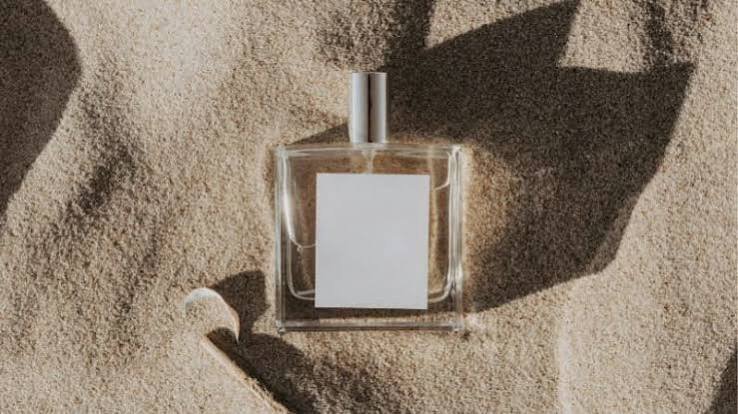
Introduction to Aroma Perfumes
Aroma perfumes are crafted blends of fragrant substances designed to impart a pleasing scent. They play a significant role in personal aesthetics, serving not only as a means of self-expression but also as an enhancer of one’s mood. The olfactory experience provided by these perfumes can evoke memories, influence emotions, and even affect perceptions in social interactions. The allure of aroma perfumes lies in their ability to transform an individual’s presence and leave lasting impressions.
The origins of aroma perfumes can be traced back thousands of years to ancient civilizations, where natural materials such as flowers, herbs, and resins were utilized to create pleasing scents. The early Egyptians famously employed aroma perfumes in religious rituals, while the Greeks and Romans embraced them as status symbols. This historical usage highlights the essential role scents have played in culture and society, transcending mere functionality to embody artistry and luxury.
Over the centuries, the formulation of aroma perfumes has evolved dramatically. With the advent of modern chemistry, synthetic materials have been introduced to fragrance creation, leading to an explosion of options available today. From floral and fruity to woody and oriental, the diversity of scents reflects varying preferences and personalities. Aroma perfumes have diversified to cater to different occasions, moods, and seasons, allowing individuals to curate their olfactory signature. This evolution showcases the ongoing innovation in fragrance development, ensuring that aroma perfumes remain a staple in personal care and lifestyle choices.
In summary, aroma perfumes are much more than simple fragrances; they are complex compositions that influence our lives in ways both subtle and profound. With deep historical roots and a rich tradition, they continue to evolve, bringing new aromas and experiences to our sensory world.
The Key Ingredients in Aroma Perfumes
Aroma perfumes are composed of a diverse range of ingredients that contribute to their unique scents and overall allure. Understanding these components is essential for appreciating how different fragrances are created. The primary categories of ingredients include essential oils, synthetic materials, and various additives that enhance the perfume’s appeal.
Essential oils are often derived from plants, including flowers, leaves, and fruits. They serve as the backbone of many aroma perfumes, providing natural and complex scents. For instance, rose oil imparts a classic floral note, while citrus oils, like bergamot or lemon, offer fresh and uplifting characteristics. The quality of the essential oil plays a significant role in the perfume’s final fragrance, influencing its depth and longevity.
Synthetic materials are also a crucial part of modern perfumery. These compounds mimic natural scents or create entirely new fragrances that cannot be derived from natural sources. Synthetic notes allow perfumers to explore a wider spectrum of olfactory experiences, from the sweetness of candy-like scents to the freshness of marine notes. Moreover, the use of synthetic ingredients can sometimes enhance the stability and durability of the fragrance.
Additionally, aroma perfumes often include various fixatives and carriers, which serve to stabilize the volatile compounds and prolong the scent’s presence when applied. Commonly used fixatives can be natural, such as benzoin or labdanum, or synthetic, providing a wide range of options for perfumers. These components work together harmoniously, ensuring that the perfume develops and lasts as intended.
Ultimately, the interplay of essential oils, synthetic materials, and fixatives creates a complex olfactory profile that appeals to the senses. Each ingredient’s unique contribution culminates in the multifaceted experience of wearing fragrance, illustrating the art and science of perfumery.
Choosing the Right Aroma Perfume for You
Selecting the perfect aroma perfume involves understanding your personal style and fragrance preferences. A key aspect to consider is the scent notes that compose the perfume. These notes are categorized into three layers: top, middle, and base notes. The top notes are the initial scents that you perceive when you apply the fragrance, often light and refreshing. As they fade, the middle notes, or heart notes, emerge, presenting the core of the fragrance that typically lasts longer. Finally, the base notes provide the lasting impression and depth, creating a harmonious blend that lingers on the skin.
Testing perfumes on your skin is a crucial step in the selection process. Since body chemistry can influence how a fragrance develops, it is advisable to apply a small amount of the perfume on your wrist and observe how it interacts with your skin over time. Allow the scent to evolve, as the scent you initially enjoy may change after a few hours. Visit fragrance counters or boutiques where you can sample a variety of scents in a relaxed environment, ensuring you avoid any rush judgments.
Another significant consideration is matching scents to different occasions. For everyday wear, lighter fragrances or fresh citrus notes may be ideal, as they can be uplifting without being overwhelming. Conversely, for formal events or evening outings, deeper, warmer scents might create a more alluring presence. Additionally, reflect on the seasonal changes; for instance, florals and fruity notes are often favored in the warmer months, while spicier or woodsy fragrances resonate well during colder times. By being mindful of these factors, you can select aroma perfumes that not only reflect your individuality but also enhance your experiences, ensuring your scent is an integral part of your personal expression.
The Art of Wearing Aroma Perfumes
Wearing aroma perfumes is not merely about choosing a fragrance; it is an art that elevates personal expression and enhances individual charm. Understanding the nuances of perfume application can significantly influence how long a scent lasts and how it interacts with your body chemistry. The first key aspect to consider is the optimal spots for applying perfume. Ideal areas include pulse points such as the wrists, the inside of the elbows, and the neck. These areas generate warmth, which aids in diffusing the fragrance, allowing it to unfurl beautifully over time.
Layering is another technique to consider when wearing aroma perfumes. By combining two or more scents, individuals can create a unique olfactory signature that reflects their personality. It’s advisable to layer scents thoughtfully—begin with a lighter fragrance as a base, then introduce a bolder scent to add depth. When layering, ensure that the fragrances have complementary notes to prevent clashing. This strategic combination can lead to a captivating aura that is distinctly yours.
Additionally, persistence is a common concern for many perfume enthusiasts. To make a fragrance last throughout the day, moisturization is essential. Applying an unscented lotion or a matching scented body cream before spraying perfume helps trap the scent. It is also beneficial to avoid rubbing the wrists together after application, as this can diminish the fragrance’s intensity by breaking down the perfume molecules. Instead, allow the perfume to dry naturally on the skin.
Furthermore, many suggest applying aroma perfumes on clothes or hair, which can prolong the scent without the need for reapplication. However, one should be cautious with certain fabrics and materials, as some fragrances may leave stains. Overall, mastering the art of wearing aroma perfumes requires a blend of suitable application techniques, thoughtful layering, and mindful practices to enhance longevity, promising an alluring fragrance experience throughout the day.